Biblepraise Fellowship Online
Inspirational Writings, Stories and Poetry.
The Deadly Impact of Disobedience
by Steve Popoola on August 24th, 2026
Last weekend, two police officers were killed in a car crash near Middlesbrough in the UK. The crash, which also claimed the lives of five others, was caused by a vehicle that was apparently being pursued by another police vehicle. It ended up colliding with a marked armed response police vehicle that was travelling in the correct direction.
As I thought about this incident, and about the impact these deaths will have on the families affected, I was reminded of the devastating effects of disobedience. One decision, taken in a moment, rippled outward to claim lives that had nothing to do with the original choice.
The first recorded act of disobedience appears right at the beginning of the Bible. In Genesis 2:16-17, God instructed Adam, "You are free to eat from any tree in the garden; but you must not eat from the tree of the knowledge of good and evil, for when you eat of it you will surely die." Not long after, in Genesis 3:6, Adam's wife Eve decided that the benefits of eating the fruit outweighed the consequences of disobeying God. She then convinced her husband to do the same. Adam, incidentally, was the one who had received the command directly, so he could not claim it had been ambiguous or passed on second-hand. Eve soon discovered how costly her decision was. Not only would she face the consequences herself, but she had also passed the effects of her disobedience on to the whole of humanity.
Another example that comes to mind is recorded in 1 Samuel 13. Saul had been made king over Israel and was waging war against the Philistines. At one point the battle was not going as planned, and fear spread among the soldiers. Samuel had instructed Saul to wait for him before offering sacrifices to God, but after seven days, Samuel's expected time of arrival, Saul decided he had waited long enough and offered the sacrifice himself, contrary to Samuel's command. He disobeyed by refusing to wait for the appointed time, he took on a role that was not his to perform, and his actions were rooted in fear rather than ignorance. He knew exactly what he was doing.
The consequences of that single decision were far-reaching. Saul lost God's recognition of him as king, and a chain of events was set in motion that eventually led not only to his own death, but also to the death of his son and to defeat for the army of Israel.
It seems Saul did not learn his lesson, because in 1 Samuel 15:1 he was given another instruction, and once again he decided which parts of it to follow and which to ignore. Even when confronted by Samuel, Saul insisted, "But I did obey the Lord." He genuinely did not see where he had gone wrong, blinded by his own reasoning rather than submitted to God's clear command. Samuel's response to him is one I have carried since Sunday School: "To obey is better than sacrifice, and to heed is better than the fat of rams" (1 Samuel 15:22).
The lesson in both accounts is the same. Disobedience is attractive in the moment. It always seems to offer a shortcut, a reasonable exception, or a good enough reason. But its consequences are rarely contained to the person who disobeys. Eve's choice affected Adam and every generation after them. Saul's choices affected his family and his nation. And in Middlesbrough last weekend, one driver's choice affected officers and families who had no part in the decision at all.
As we face each day, let us stay conscious of our actions and prayerfully take time to consider how they might affect others, not just ourselves. Obedience may not always feel urgent or exciting, but it protects far more than we realise. If the person in that car had chosen to do the right thing, perhaps the lives of those police officers, and the others who died alongside them, would not have been cut short so abruptly.
Comments
(0)Add a comment
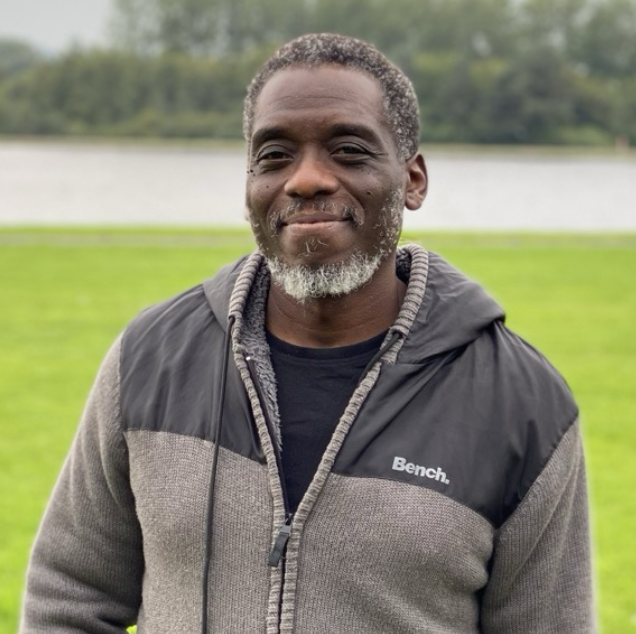
Steve Popoola is the editor of Biblepraise Newsletter and the founder of the Biblepraise Fellowship Online.
He lives in Kent, United Kingdom, where he works as an IT Professional. He serves in his local church as an Elder and Trustee, Worship Leader and assisting with Pastoral Care.
Recent Posts
October 12, 2026
September 21, 2026
September 07, 2026
August 24, 2026
August 10, 2026